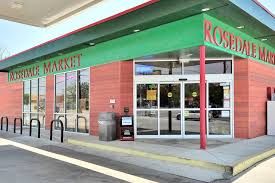
Welcome to Rosedale
One of Austin's most beloved central neighborhoods — where tree-canopied streets, timeless architecture, and genuine community converge
Tucked between Hyde Park, Tarrytown, and the Shoal Creek Greenbelt, Rosedale is one of Austin's most established and sought-after central neighborhoods. Developed primarily in the 1930s through the 1950s, the area is defined by its gracious lot sizes, mature live oak canopy, architectural character, and the kind of deep-rooted community identity that newer neighborhoods spend decades trying to cultivate.
Rosedale sits comfortably between the energy of the 38th Street and North Loop corridors and the quieter, residential rhythms of Tarrytown and Old Enfield. It's a neighborhood that draws professionals, families, and downsizers alike — people who want to be close to everything Austin offers without being in the middle of it, and who value a home with history, craft, and genuine neighborhood character.
What to Love
- One of Austin's most architecturally rich central neighborhoods, with bungalows, Tudor cottages, and traditional homes on generous lots
- A genuine, multigenerational community with long-tenured residents and active neighborhood associations
- Shoal Creek Hike-and-Bike Trail running directly along the neighborhood's western edge
- Walkable to local coffee shops, restaurants, and boutiques along Duval Street and North Loop
- Minutes from UT Austin, the State Capitol, and major central Austin employment corridors
- Mature live oak canopy that creates a green, shaded atmosphere year-round
- Proximity to Pease District Park, Northwest Recreation Center, and Shipe Pool
- Served by Austin ISD, with several well-regarded elementary and middle schools nearby
Local Lifestyle
Life in Rosedale moves with an easy, unhurried confidence. Mornings start with coffee from a neighborhood café, followed by a walk along Shoal Creek or a jog down one of the neighborhood's wide, shaded sidewalks. Families push strollers past well-tended cottage gardens. Neighbors actually know each other by name.
Evenings bring front-porch conversations, dinners at North Loop restaurants, and weekend mornings at the Rosedale Kitchen and Bar or exploring the boutiques and vintage shops that have made the surrounding streets a destination for longtime Austinites. It's a neighborhood for people who love Austin's culture and character but want to come home to something quieter, more grounded, and genuinely theirs.
Rosedale also draws professionals and academics who value the short commute to UT, Dell Medical School, Seton Medical Center, and the city's government and tech employment centers — all within 10–15 minutes without touching the highway.
Dining and Entertainment
Rosedale's surrounding corridors offer some of Austin's most beloved neighborhood dining and independent retail:
Local Favorites Include:
- Rosedale Kitchen and Bar — A neighborhood institution serving elevated American comfort food in a warm, welcoming setting — brunch here is a weekend ritual for locals
- Fresa's Chicken al Carbon — Wood-fired chicken and Mexican street food with a relaxed patio, an Austin staple
- Arlo's — Plant-based comfort food with a loyal following, perfectly at home in Rosedale's eclectic dining scene
- Epoch Coffee (North Loop) — The neighborhood's go-to 24-hour coffee shop, beloved by students, freelancers, and night owls alike
- Quack's 43rd Street Bakery — A classic Austin neighborhood bakery with strong coffee and an even stronger sense of place
- Foreign & Domestic — Sophisticated, ingredient-driven cooking on North Loop, beloved by Austin's most discerning food crowd
Residents also enjoy easy access to the 38th Street dining corridor, the independent shops and cafés of North Loop, and the broader Hyde Park and Guadalupe Street scene.
Things to Do
- Walking, running, and biking along the Shoal Creek Hike-and-Bike Trail
- Swimming at Shipe Pool, one of Austin's most popular neighborhood pools
- Weekend mornings at Pease District Park, featuring open lawns, shaded picnic areas, and a beloved duck pond
- Exploring the North Loop boutiques, vintage shops, and record stores
- Attending UT Austin cultural events, Blanton Museum exhibitions, and performing arts
- Day trips to Barton Springs, Zilker Park, and Lady Bird Lake — all within 15 minutes
- Neighborhood events hosted by the Rosedale Neighborhood Association throughout the year
Schools
Rosedale is served by Austin Independent School District (Austin ISD).
- Elementary: Bryker Woods Elementary, Brentwood Elementary
- Middle: O. Henry Middle School
- High School: Austin High School
Bryker Woods Elementary in particular has a strong reputation within Austin ISD and is a draw for families prioritizing central Austin living with quality public school access.
The Market
Rosedale's real estate market reflects the neighborhood's rarity: established, central, architecturally interesting, and genuinely hard to replicate. Inventory is limited by design — the neighborhood is built out, and the lot sizes and setbacks that define it can't be recreated.
- Classic 1930s–1950s bungalows, Tudor revivals, and traditional cottages with original architectural details
- Thoughtfully renovated and expanded homes that preserve character while adding modern function
- Custom new construction on infill lots, built to complement the neighborhood's existing aesthetic
- Generous lots by central Austin standards, many with mature trees, private backyards, and room for outdoor entertaining
- Price points typically ranging from the mid-$700s to well over $2M for fully renovated or custom-built homes
Demand consistently outpaces supply, and homes in Rosedale — particularly those with original character or recent high-quality renovations — tend to generate strong interest quickly.
You'll Fall in Love With
The sense that Rosedale has always been exactly what it is — and always will be. In a city that reinvents itself constantly, Rosedale is one of the few neighborhoods that has held onto its identity without trying. The streets are the same. The trees are the same. The neighbors take care of things.
It's central Austin at its best: close to everything, rooted in something, and genuinely beautiful to come home to.